Wednesday, May 3, 2023
Show HN: Designesy – Subscription-based design service for digital products https://ift.tt/QjW3BKq

Show HN: Logss – BETA Release. A simple Rust tool to helps visualize logs https://ift.tt/N5KHMQe
Show HN: Public data research using ChatGPT https://ift.tt/umWkCM4
Tuesday, May 2, 2023
Show HN: Stickdeck – Turn your Steam Deck as a Bluetooth joystick on PC https://ift.tt/ZB7kQmL
Air travel chaos looms as US keeps 5G altimeter refit deadline
from BBC News - Technology https://ift.tt/scRB8xY
Show HN: LLM Oracle, GPT-4 for predicting the future https://ift.tt/WbAL08q
Traffic Collisions have Decreased on San Francisco’s Slow Streets
By Julia Malmo
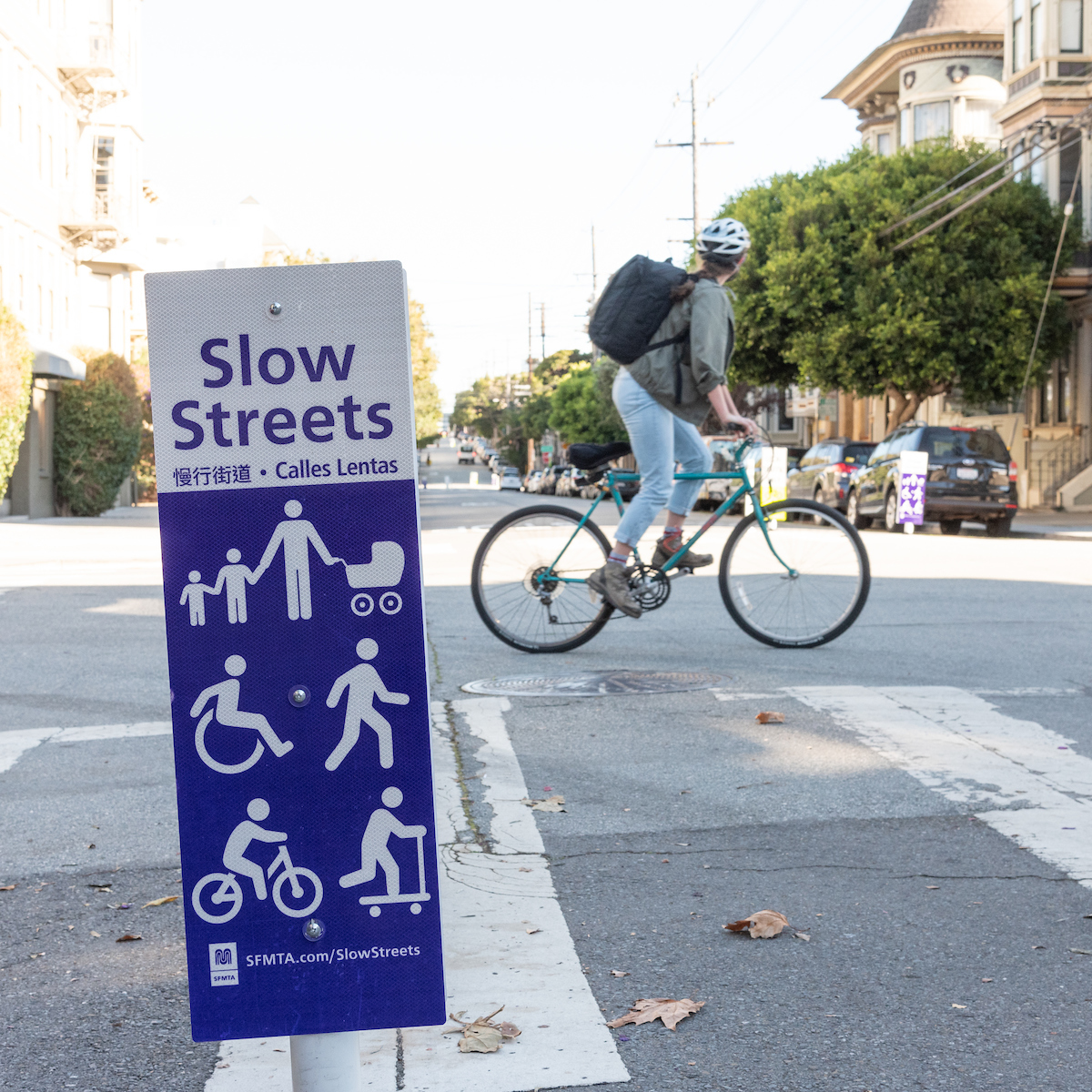
As a whole, Slow Streets are safer than they were before being designated Slow Streets
Streets that are part of the SFMTA’s Slow Streets Program have become measurably safer since the program began in 2020, with the number of traffic crashes falling by almost half. On average, these corridors have seen a 48% drop in collisions following their designation as Slow Streets, compared with a 14% drop in collisions citywide over the same period. Slow Streets also are more welcoming for people who walk, bike and roll. Fewer than 1,000 vehicles per day use all but four of the current Slow Streets (20th Street, Minnesota Street, Noe Street, and Page Street).
The goal of the program is to create safe, shared streets that are comfortable and enjoyable for people of all ages and abilities, using any mode of transportation. We now can see how it’s doing in a new evaluation report.
When the SFMTA Board approved the permanent Slow Streets Program in December 2022, the Directors required that every Slow Street meet certain safety and comfort targets: average vehicle speeds of less than 15 miles per hour (MPH) and average daily vehicle volumes lower than 1,000. The Slow Streets team has been collecting between January 2023 and April 2023 to understand how the streets are performing. We placed pneumatic tubes every four blocks along Slow Street corridors in January of this year to collect vehicle volume and speed from 16 of the 18 streets currently in the program (Cayuga Avenue and 22nd Street were not included in the analysis because they are not yet implemented).
Not only is traffic volume down, but all the Slow Streets have median speeds of 20 MPH or slower. However, most have not met the 15 MPH target set by the Board. This means that traffic still is not moving slowly enough for our most vulnerable road users to feel safe.
The Slow Streets team will begin working on these changes now with updated designs expected by this summer.
Here is the 2023 Slow Streets Design Toolkit (SFMTA.com/SlowStreetsToolkit) including details on the methodology used in the evaluation, along with individual corridor findings. To learn more about next steps, Signup for Email and SMS Alerts from the Slow Streets Program (SFMTA.com/SlowStreets) and individual corridors. We look forward to sharing more about how this data will inform next steps for Slow Streets designs across San Francisco!
Published May 03, 2023 at 01:33AM
https://ift.tt/gDvFc0Q
Show HN: GPT crushes my high score in 2048.io https://ift.tt/T9iyaBd
Show HN: Hivemind – ChatGPT can now send you reminders and have async convos https://ift.tt/i9jsoz3
Monday, May 1, 2023
AI 'godfather' Geoffrey Hinton warns of dangers as he quits Google
from BBC News - Technology https://www.bbc.co.uk/news/world-us-canada-65452940?at_medium=RSS&at_campaign=KARANGA
Show HN: guitos, a free open-source budgeting app https://ift.tt/t2lpdsK
Three Golden Rules to Improve Scooter Safety
By Mona Chiu
The SFMTA has some exciting news for all who use the sidewalk in the city! Starting May 1, 2023, we'll be launching a new safety campaign to promote safe and responsible electric scooter use for both permitted scooter share devices and privately operated scooters. The campaign will focus on three key safety rules that every rider should keep in mind while riding: no sidewalk riding, no speeding and no double riding (two people riding one device). By educating riders about the dangers of sidewalk riding, unsafe speeding and riding, and improper parking, we hope to make the city safer for everyone.
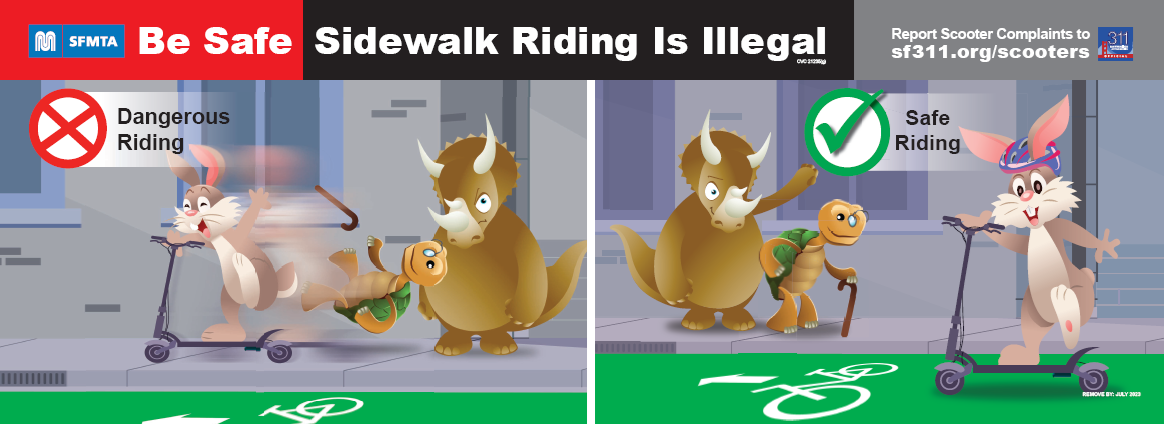
Sidewalk riding has been a major concern for pedestrians in San Francisco, and it's illegal to ride an electric scooter on the sidewalk.
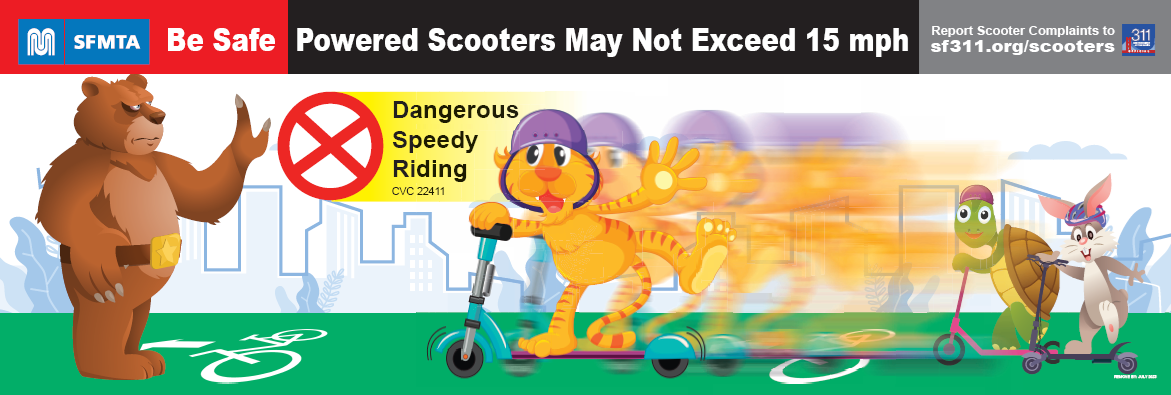
Electric scooters can travel at speeds of up to 15 miles per hour, which can be dangerous if riders aren't paying attention to their surroundings. The SFMTA's safety campaign will encourage riders to be mindful of their speed (riding over 15 miles per hour is illegal) and to obey traffic laws.
The campaign will also focus on emphasizing double riding is illegal. By law, only one rider should ride a scooter at a time.

To spread the word about this safety campaign, we will be placing posters on Muni buses, displaying ads in Muni bus stops and running ads on social media. This should help us reach as many scooter riders as possible and encourage them to prioritize safety while riding.
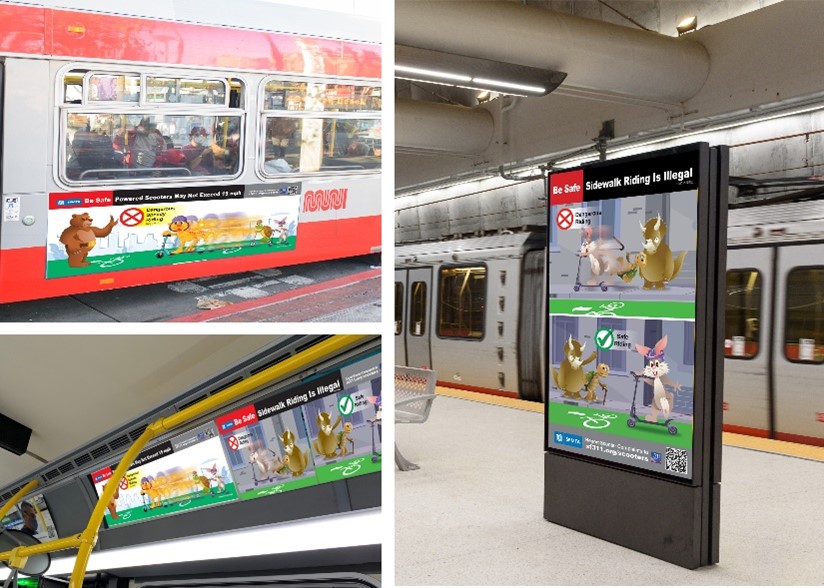
The SFMTA already has been actively working to improve scooter safety in San Francisco. We have implemented several policies and regulations, including:
- Requiring permitted scooter companies to provide a lock-to system to keep parked scooters out of the accessible path of travel
- Requiring permitted scooter companies to develop and implement a plan for safe riding. These plans include rider training, in-app messages with safety messages and sidewalk detection technology on their devices.
- Encouraging scooter permittees to adopt an escalating penalty structure for improper riding and parking
- Working with the Port of San Francisco to reduce sidewalk riding on the Embarcadero.
The agency has also worked to improve infrastructure for scooter riders. We have installed:
- 3,000+ racks installed since the beginning of scooter permit program in 2018
- 11,000+ bike racks available citywide for scooter parking
- 465 miles of bikeways in San Francisco
- 78 miles off-street paths
- 139 miles of bike lanes (Class II)
- 43 miles of separated bikeways (Class IV)
- 45 miles of bike lanes and separated bikeways added since 2018
- 33 miles of Slow Streets
The agency is also working to expand the active transportation network in the city through our new Active Communities Plan.
If you want to report any complaints related to scooter riding, you can call 311 or visit the 311 website.
To learn more about what the SFMTA is doing to promote a safe and useful scooter share system, visit our scooter share permit project page and view our data dashboards.
Published May 01, 2023 at 11:32PM
https://ift.tt/xgtjIO5